10 Easy Facts About Permian Basin Pipeline Construction Explained
Table of ContentsPermian Basin Pipeline Construction for DummiesSome Ideas on Permian Basin Pipeline Construction You Should KnowLittle Known Questions About Permian Basin Pipeline Construction.Things about Permian Basin Pipeline ConstructionHow Permian Basin Pipeline Construction can Save You Time, Stress, and Money.The smart Trick of Permian Basin Pipeline Construction That Nobody is DiscussingThe 25-Second Trick For Permian Basin Pipeline Construction
Cured-in-place pipe (CIPP) is a trenchless technology made use of to install water, sewage system, and other pipes without needing major excavation or invasive excavating. The procedure begins by placing a lining right into the existing pipework, which is after that loaded with resin that solidifies to create a permanent pipeline within the existing pipeline.At MaxLiner USA, we understand the advantages of using CIPP, that include its affordability, rate, and marginal disturbance throughout installation. This makes it an excellent option for service providers, plumbing professionals, organizations, and municipalities wanting to minimize downtime while setting up brand-new pipelines. Among the major advantages of CIPP is its cost savings on labor and equipment, causing a more cost-effective service than typical pipeline substitute methods.
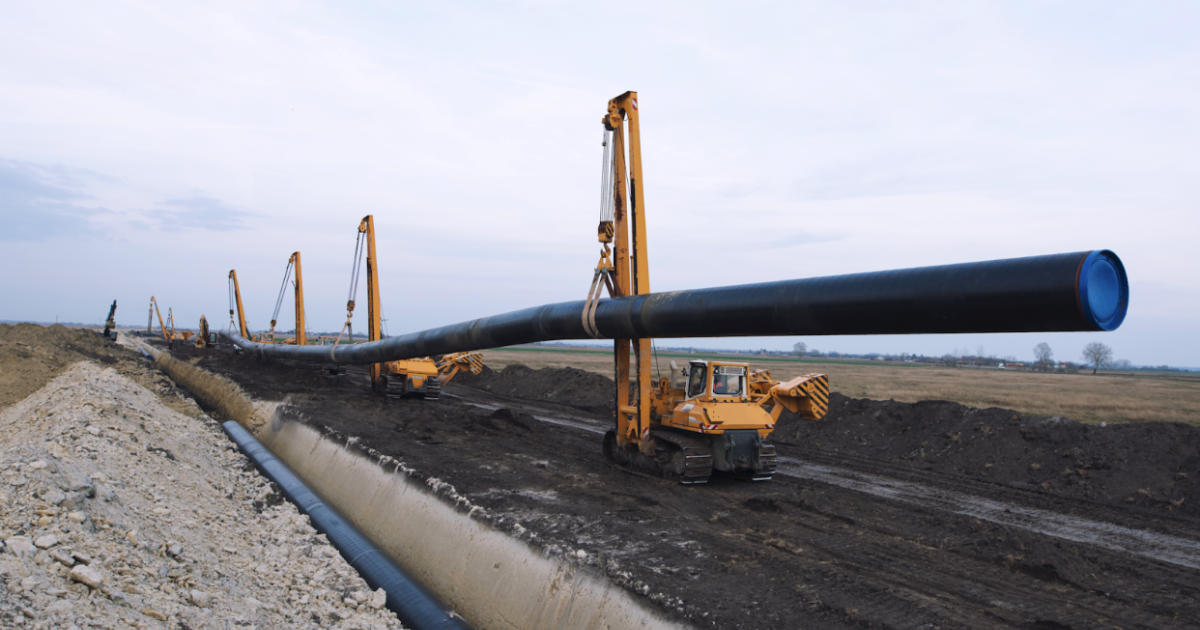
Rather, a lining is placed right into the busted pipe and healed in position with warmth, developing a smooth repair service that supplies long-lasting defense against root infiltration, rust, opening damage, and various other typical problems with existing pipes. Not only does this approach eliminate the need for substantial digging, yet it also gets rid of the potential threats related to harmful waste removal.
Permian Basin Pipeline Construction for Dummies
Because of this, expenses often tend to be reduced than replacing whole sizes of piping with open-cut installations even when considering the cost of lining products. Due to its low environmental effect and price savings possible, cured-in-place pipe installation is ending up being increasingly prominent as an option to traditional repair service job in numerous industries.
When it pertains to cured-in-place pipeline (CIPP) setup, numerous benefits stem from its minimal time and expense. Primarily, CIPP setups can be set up in a portion of the moment it would certainly consider standard pipe substitute since no excavation is required - Permian Basin Pipeline Construction. Rather than excavating right into the bordering dirt and getting rid of existing pipelines, CIPP uses state-of-the-art trenchless technology to mount resin liners or polyester fiber tubes inside existing pipes
The Only Guide for Permian Basin Pipeline Construction
This assists to lessen downtime and maintain your task on the right track, causing time financial savings that would certainly not have actually been feasible with conventional pipe replacement systems. Whether removing smaller sections of piping or performing full relining tasks, this method has certain benefits when it pertains to expense. Not only is devices rental gotten rid of since no excavation is needed, yet so are site restoration expenses since a marginal surface area fixing might be needed after setup.
As a result, with marginal time and price needed for installation, cured-in-place pipeline installation is an excellent alternative for reducing labor costs without sacrificing top quality job. As we'll go over in the adhering to section, this sort of setup uses substantial advantages when it concerns lessening disturbance around homes and companies.
Permian Basin Pipeline Construction Can Be Fun For Anyone
This trenchless setup is a lot easier to do than conventional pipe laying. As the name implies, the majority of excavation and relevant site preparation is avoided since the new pipelines are fed via existing conduits. This makes it possible to mount underground pipes in a fraction of the time needed for the extra typical digging method, which can develop unneeded disturbance to the setting, local roadways, pathways, adjacent homeowner, and so on.
Sometimes, it may take a little bit of digging if these gain access to points are not currently set up in existing upkeep holes or catch containers. The outcome should still be less turbulent than digging deep into lengthy trenches, however something to consider prior to dedicating to this installment (Permian Basin Pipeline Construction). Overall, cured-in-place pipeline installation is practical when minimal interruption is preferred because the majority of the below ground facilities remains undamaged while offering renewed strength and dependability to existing pipes
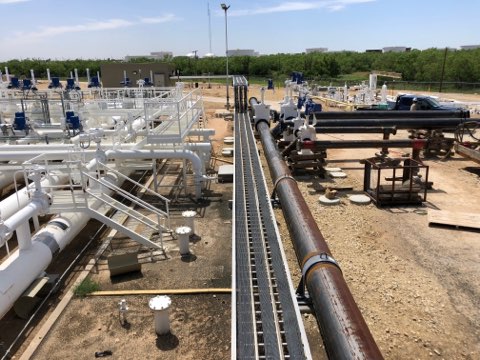

The cured-in-place installation procedure starts with inspecting the pipe in inquiry to figure out whether any kind of damages exists or needs replacement. Later, if needed, cleansing needs to happen inside the pipeline to ensure that all material build-up is eliminated and all surfaces are smooth and unpolluted prior to lining installation. As soon as these steps are finished, a special resin-coated felt or crossbreed really felt and fiberglass textile is placed into the pipe and uniformly dispersed along its length.
Excitement About Permian Basin Pipeline Construction
Healing (either ambient, heated water or air, or UV) is presented right into television when the lining installment is complete, healing and shaping the material material around the old pipeline's shape. It should be noted that extreme pressure must be avoided in any way costs since it can create further damages to the system.
This in-depth area concerning the 'Cured-In-Place Installation Process' has actually explained its step-by-step procedure. By recognizing what goes right into this procedure and its problems, we can appreciate exactly how valuable it can be for many piping fixings - Permian Basin Pipeline Construction. Currently let us carry on to discover what sorts of materials are made use of in this process in our following section
The 4-Minute Rule for Permian Basin Pipeline Construction
The ideal material can dramatically influence the work, consisting of cost-effectiveness, durability, efficiency, and efficiency. Polymer liners are frequently chosen for CIPP since they are extremely resilient and immune Permian Basin Pipeline Construction to rust and damage. They can additionally last anywhere from 10 to 30 years, depending on the quality of the products utilized.
It is typically much easier, less disruptive, and a lot more cost-efficient than traditional repair work. Among the main benefits of CIPP pipe installation contrasted to the conventional method of cutting out and replacing any type of damaged pipeline areas with new product is that CIPP pipeline does not require digging or digging deep into the surrounding areas.
This minimizes the moment and labor needed for intricate remediation jobs. CIPP materials are thinner than sections of the brand-new pipe, so they call for really little space while using superior durability and longevity compared to various other techniques of fixing damaged pipes. While CIPP setup supplies some distinctive advantages over traditional techniques of fixing pipes, it can have certain constraints depending upon which sort of specific scenario requires it.
About Permian Basin Pipeline Construction
Generally, CIPP pipe setup offers several advantages when it comes to saving time, money, and initiative during pipe repair work tasks. These benefits make it an eye-catching choice for those looking for quick yet trustworthy means to deal with broken pipes in the house or in company setups. In the following area, we will discuss a review of cured-in-place pipeline installment in greater information to provide you an also much better understanding of its numerous advantages.